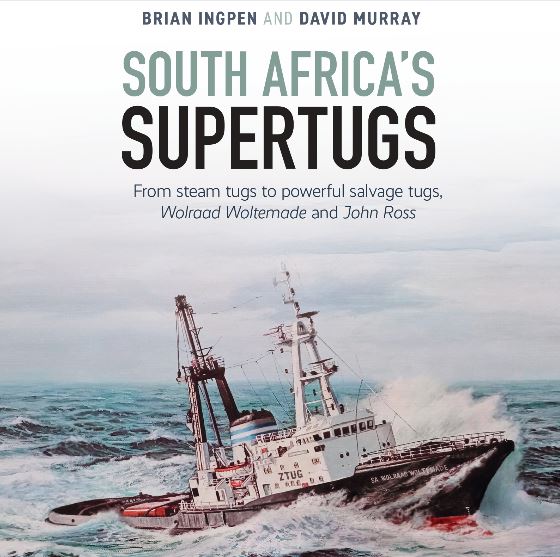
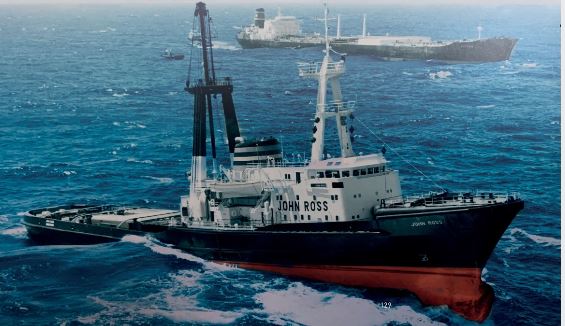
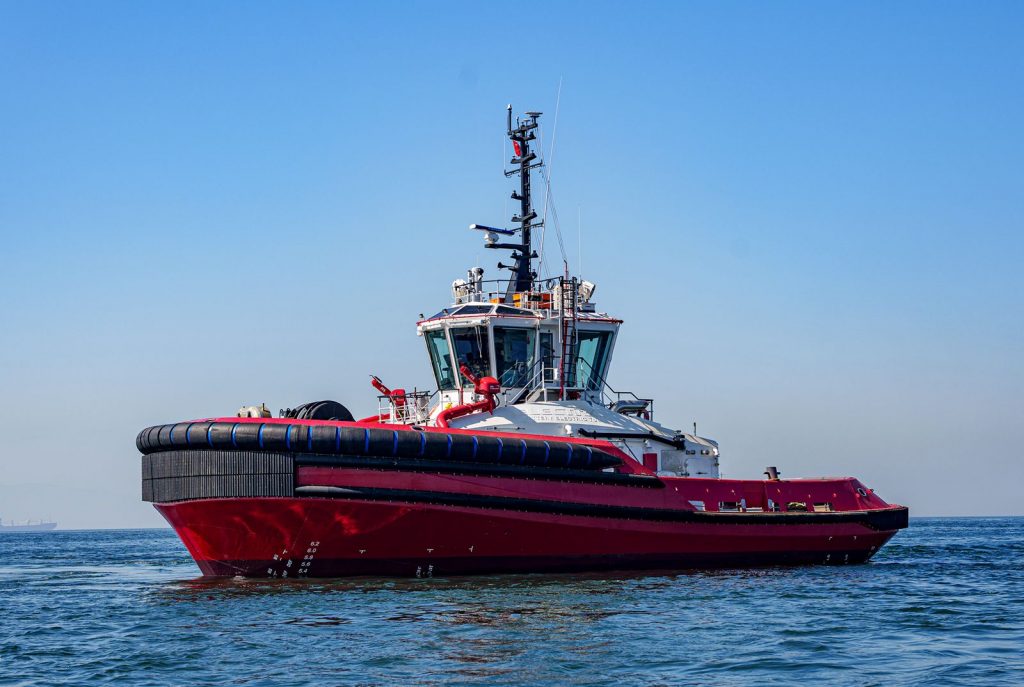
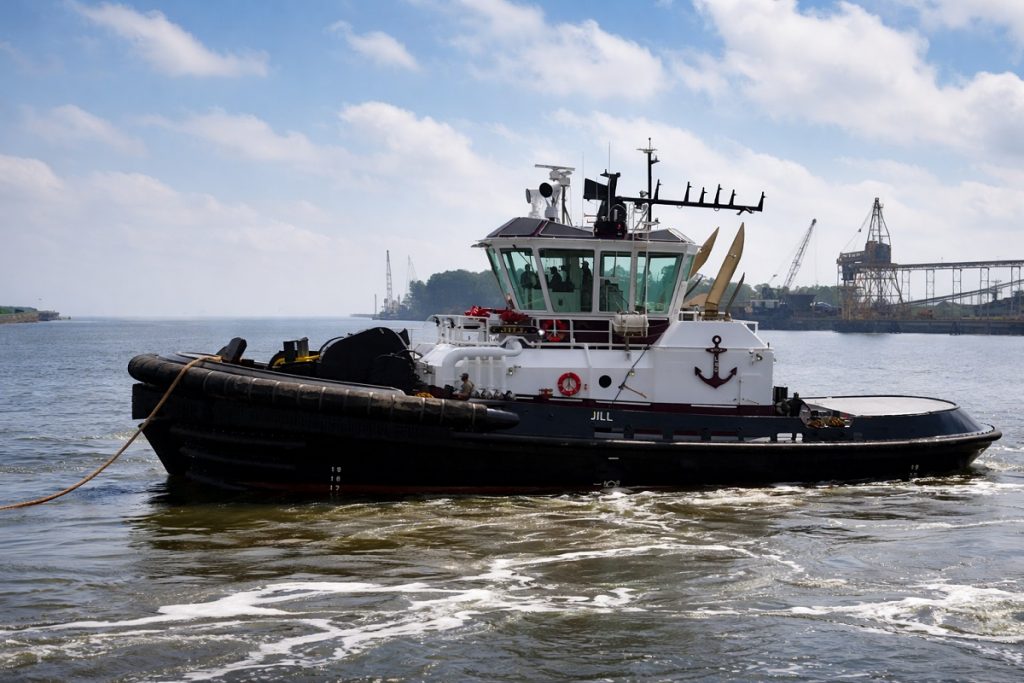
South Africa’s maritime legacy is as vast and complex as its coastlines — where the convergence of oceans, weather systems, and trade routes demands not only courage and seamanship, but also machines of remarkable strength and precision. Among the towering symbols of this legacy are the country’s iconic supertugs, most notably the John Ross and Wolraad Woltemade. These vessels are more than just powerful workhorses of the sea; they are national icons that have braved the worst that the oceans could offer to protect life, cargo, and coastline.
In this carefully researched and richly illustrated volume, Brian Ingpen and David Murray delve deep into the stories, technologies, and missions that defined these mighty vessels and the people who operated them. With their characteristic depth of knowledge and passion for the sea, the authors illuminate the broader narrative of South Africa’s tug fleet — charting its development, challenges, and triumphs.
This is not merely a technical account or a nostalgic glance backward. It is a testament to human ingenuity and determination, where engineering meets the elemental forces of nature. Through first-hand accounts, rare photographs, and detailed historical context, this book honours the proud traditions of salvage, rescue, and maritime service.
Whether you are a seasoned mariner, a naval enthusiast, or someone drawn to tales of resilience and purpose, this book offers a compelling voyage into one of South Africa’s lesser-known but deeply significant maritime sagas.
As the supertugs once stood ready at our harbours and coastlines, this book now stands as a tribute to their service — and to those who ensured they fulfilled their mission, time and time again.
This book is dedicated to the millions of South Africans who may not realise the vital role tugs have played in protecting our coastlines. For decades, these unsung heroes have prevented countless environmental disasters, saving the nation millions in potential pollution costs and ensuring our shores remain unspoiled.
Their tireless efforts, often unnoticed by the public, have kept our waters safe and clean for years. However, those who were unaware of these behind-the-scenes efforts can now gain a better understanding of what has happened and the immense work involved.
This book will appeal not only to those with direct ties to the tug industry, but to anyone who values the preservation of South Africa’s natural heritage and believes these stories deserve to be told.
Order details click HERE Order Form & Payment Details click HERE and visit the website www.supertugsbooksa.com 300 mm x 270mm – 232 pages – 320 quality photographs – Hard Cover (Case bound) This attractive high-quality documentary recalls the steam tugs of the South African harbours and the foreign tugs based in South African ports during the Suez Canal closure of 1967 t0 1975. It introduces the powerful, fast and custom-built tugs S.A. Wolraad Woltemade and S.A John Ross that, from 1976, formed South Africa’s Emergency Response to maritime casualties – a concept pioneered in South Africa, and that has been emulated in numerous other countries. The book chronicles many salvage and ocean towage operations involving these tugs – attending grounded ships or towing huge oil platforms through mountainous seas and dangerous straits. It notes the challenges faced, even during calmer times. It pays tribute to those involved: the intrepid, seasoned tug crews and those ashore, ensuring that operations were performed as smoothly as possible – with professionalism. With the original pair of tugs having been withdrawn and scrapped, South Africa’s legacy of Supertugs-operations will continue, focused on the successor-tug, Umkhuseli. Enquiries: order@Supertugsbooksa.com. It is a must to have this book in your Bookshelf. The deadline for early orders with a discount is August 31, 2025.
This website uses cookies so that we can provide you with the best user experience possible. Cookie information is stored in your browser and performs functions such as recognising you when you return to our website and helping our team to understand which sections of the website you find most interesting and useful.
Strictly Necessary Cookies
Strictly Necessary Cookie should be enabled at all times so that we can save your preferences for cookie settings.
If you disable this cookie, we will not be able to save your preferences. This means that every time you visit this website you will need to enable or disable cookies again.